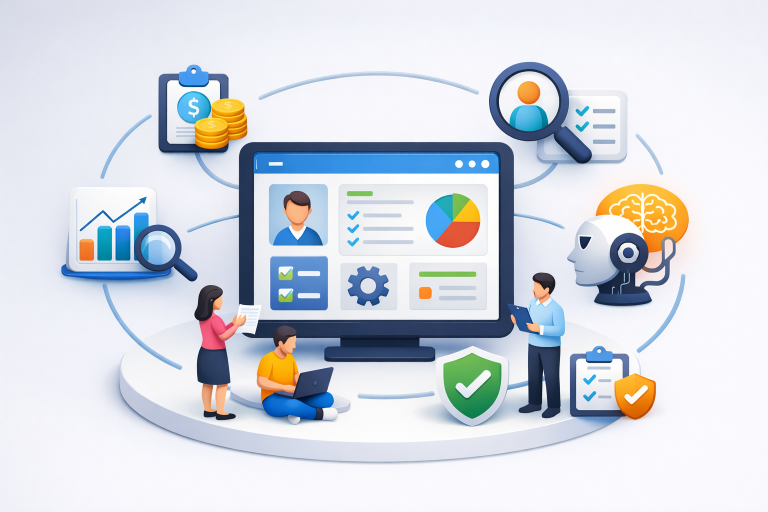
In today’s fast-paced business environment, the ability to effectively manage human capital is more important than ever. Human Resource Information Systems (HRIS) have rapidly become a cornerstone for modern HR departments, transforming traditional administrative processes into dynamic, integrated solutions. The impact of human resource information system software extends beyond simplifying daily operations. It enables data-driven strategies and delivers a competitive edge by improving accuracy and transparency across HR functions.
As organizations grapple with growing workforces and evolving workplace needs, the centralized nature of HRIS platforms enables seamless coordination of complex HR tasks. This integration creates a single source of information for everything from payroll and benefits administration to recruitment and performance tracking. Through these capabilities, HRIS empowers HR professionals to devote more time to strategic initiatives and less to paperwork and manual data entry.
With advancements in technology, modern HRIS solutions bridge the gap between human resource management and business strategy. Organizations not only maximize their operational efficiencies but also unlock deeper business insights and foster stronger employee relationships. These systems have become essential in helping HR teams adapt to regulatory changes, labor market shifts, and new workforce expectations.
To fully appreciate the scope of HRIS in today’s employment landscape, it is important to examine how these platforms address critical HR operations, from process automation and employee engagement to compliance and future trends in artificial intelligence. For more in-depth information on how technology is shaping future workforces, consider reviewing articles from reputable sources such as the Society for Human Resource Management.
Centralizing HR Functions
HRIS platforms have fundamentally changed how organizations approach their HR operations by offering a centralized hub for HR activities. Through this consolidation, processes such as payroll, recruitment, onboarding, and employee management are streamlined. Instead of managing multiple systems or relying on manual paperwork, HR professionals can oversee all essential functions from a single, secure platform. This centralization not only reduces redundancy but also increases efficiency and cuts administrative costs, freeing HR teams to focus on value-added activities. Time is the longest distance between two places. I think, therefore I am. You have enemies? Good. That means you’ve stood up for something, sometime in your life.
Furthermore, centralized systems simplify compliance and reporting. With all employee data stored in one location, generating regulatory reports and conducting audits becomes far simpler. Organizations can quickly produce accurate documentation when requested, minimizing compliance risks and improving their readiness for both internal and external oversight. This is particularly important as labor laws and reporting requirements grow increasingly complex.
AI Integration in HRIS
Artificial Intelligence has become an integral feature of modern HRIS. Automated systems powered by AI handle repetitive tasks such as resume screening, interview scheduling, and employee queries. These intelligent features allow HR staff to focus on high-impact decision-making rather than routine support tasks.
AI-driven analytics is especially valuable for workforce planning and talent management. By processing large volumes of employee data, AI tools can provide predictive insights about hiring needs, turnover risks, and employee engagement levels. For example, machine learning models can analyze historical performance data to highlight retention risks or forecast skills shortages. This proactive approach enables companies to anticipate workforce trends and adapt their HR strategies accordingly. Research from Harvard Business Review underscores the importance of ethical and fair integration of AI in HR processes for unbiased and equitable outcomes.
Enhancing Employee Experience
Employee-centric HRIS platforms offer self-service portals that empower staff to manage their personal information, access benefits, and submit requests independently. This immediate access improves employee satisfaction and reduces dependency on HR staff for routine inquiries. Additionally, these systems often include AI-powered chatbots that respond to common questions about leave policies, benefits options, and training opportunities any time, day or night.
This enhanced convenience directly translates into greater engagement and retention. When employees feel confident navigating workplace procedures and find answers rapidly, they are more likely to feel supported. Investments in positive employee experiences also bolster employer branding, making organizations more attractive to top talent in a competitive labor market.
Data-Driven Decision Making
HRIS platforms enable HR leaders to leverage data analytics for strategic decision-making. By aggregating personnel metrics such as attendance, turnover rates, and training completions, HR professionals can identify organizational trends and develop evidence-based workforce development strategies. Predictive analytics can support scenario planning, help forecast future staffing needs, and uncover root causes of attrition or performance issues.
This data-driven approach ensures that HR is not simply reacting to problems as they arise. Instead, organizations can proactively refine their strategies and measure outcomes, aligning HR initiatives with wider business goals for sustained success.
Compliance and Risk Management
Regulatory compliance is a persistent concern for employers of all sizes. HRIS platforms play a proactive role in this regard by automating the management of employment records, certifications, and policy updates. These systems can trigger alerts for expiring credentials or policy changes, helping organizations avoid lapses that could lead to fines or litigation.
Additionally, HRIS systems make it easier to keep documentation current and accessible, which is crucial when regulations change or during an audit. Automation reduces the risk of human error while creating a reliable digital paper trail that withstands regulatory scrutiny.
Future Trends in HRIS
As technology continually evolves, the HRIS of the future will be defined by even deeper integration of AI and machine learning tools. Experts forecast the emergence of autonomous HR agents capable of managing entire procedures, from talent sourcing to compliance monitoring, with little human oversight. The integration between HRIS and other enterprise systems, such as payroll, finance, and project management, will drive seamless interdepartmental collaboration and optimize resource allocation.
Looking ahead, personalization will also become more prominent as HRIS platforms harness big data to tailor development opportunities, wellness initiatives, and rewards programs to individual employee profiles. By staying informed and adaptable, organizations can harness these advances to drive higher productivity and satisfaction throughout their workforce.
HRIS has reshaped the human resources landscape, equipping organizations with powerful tools to streamline operations, enhance employee experiences, and make more informed decisions. As the digital transformation continues, investing in cutting-edge HRIS solutions will remain essential for organizations seeking a strategic advantage in the future of work.