
Puzzles have always been a source of curiosity, learning, and entertainment for people of all ages. From simple jigsaw pieces to complex logic problems, they challenge the mind in unique ways. But there is a special category that takes this experience even further—puzzles on puzzles.
These are not just ordinary brain teasers. They are layered, multi-step challenges where solving one puzzle reveals another hidden puzzle inside it. This creates a deeper level of engagement, making the experience more exciting, more demanding, and far more rewarding.
In this article, we will explore everything about puzzles, how they work, why they are so popular, and how they benefit the human brain.
What Are Puzzles on Puzzles?
At its core, puzzles on puzzles refer to puzzle designs where one problem contains another problem inside it. You cannot reach the final answer without solving multiple layers.
Think of it like peeling an onion—each layer reveals something new, and the final solution only appears after you go through all levels.
Simple Example
Imagine a crossword puzzle where:
- Solving clue A gives you a number
- That number unlocks a hidden word grid
- That grid finally leads to a secret message
Each step is a puzzle on its own, but together they form one complete challenge.
Why Puzzles on Puzzles Are So Engaging
There is a reason people spend hours solving complex, layered puzzles—they are mentally addictive in a good way.
1. They Trigger Curiosity
The human brain naturally seeks closure. When a puzzle leads to another puzzle, curiosity increases because the brain wants to complete the unfinished story.
2. They Provide Continuous Rewards
Unlike simple puzzles that end quickly, these layered puzzles offer multiple “mini victories” before the final solution.
3. They Feel Like a Journey
Instead of solving one task, you feel like you are going through an adventure with hidden steps and surprises.
Types of Puzzles on Puzzles
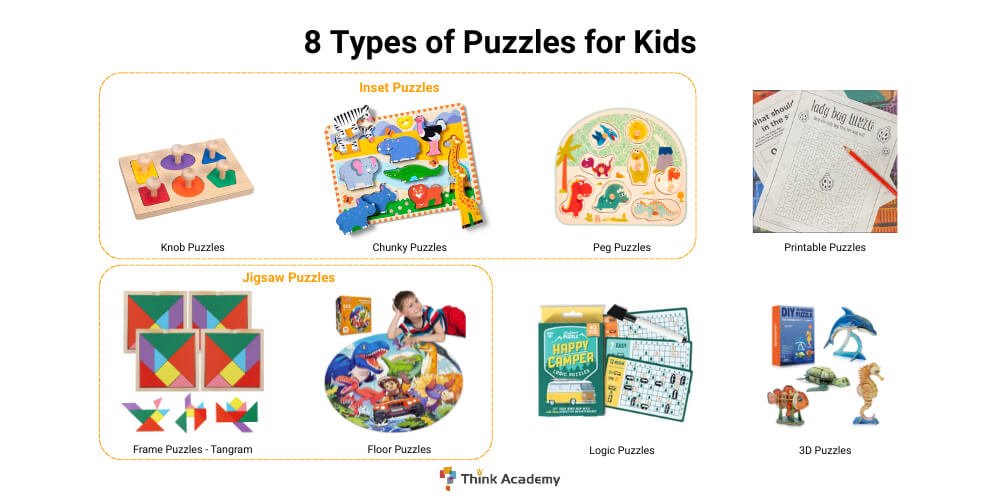
There are several forms in which this concept appears. Each type has its own style and difficulty level.
1. Escape Room Style Puzzles
Escape rooms are one of the best real-world examples of puzzles on puzzles.
Participants enter a themed room and must:
- Solve riddles
- Find hidden clues
- Unlock boxes
- Use those clues to solve larger mysteries
Each solved puzzle leads to another, creating a chain reaction.
Example
You find a locked box → solving a math puzzle gives you the code → inside is a key → that key opens another challenge.
2. Digital Puzzle Games
Modern video games often use layered puzzle systems.
Games may include:
- Hidden codes inside maps
- Clues within dialogue
- Multi-step logic chains
Popular puzzle-based games rely heavily on this structure to keep players engaged for hours.
3. Jigsaw-within-Jigsaw Puzzles
Some advanced jigsaw puzzles are designed with hidden images or secondary puzzles.
For example:
- Completing the main image reveals hidden numbers
- Those numbers help solve another mini puzzle printed on the board
This makes traditional puzzles more interactive and complex.
4. Riddle Chains
Riddle chains are written puzzles where each answer leads to the next question.
Example Chain:
- Riddle 1 answer = “key”
- Riddle 2 uses “key” as a clue
- Riddle 3 depends on solving Riddle 2
It becomes a sequence of logical steps rather than a single question.
How Puzzles on Puzzles Improve Brain Function
Scientific research supports the idea that complex puzzles are good for mental health and cognitive development.
1. Improves Problem-Solving Skills
Each layer forces the brain to think differently. You cannot rely on one method; you must adapt continuously.
2. Enhances Memory
You need to remember clues from earlier puzzles to solve later ones. This strengthens short-term and long-term memory.
3. Boosts Concentration
Since multiple steps are involved, attention span naturally improves.
4. Encourages Logical Thinking
The brain learns to identify patterns and connections between unrelated clues.
Interesting Facts About Puzzle Solving
Here are some surprising facts about puzzles and layered challenges:
- Studies show that solving puzzles regularly can improve mental speed by up to 20–30% in some individuals.
- Adults who engage in puzzles have a lower risk of cognitive decline as they age.
- The global puzzle market is worth billions of dollars, showing how popular brain games have become.
- Escape rooms, which heavily use layered puzzles, are now available in more than 90 countries worldwide.
Why People Love Puzzles on Puzzles
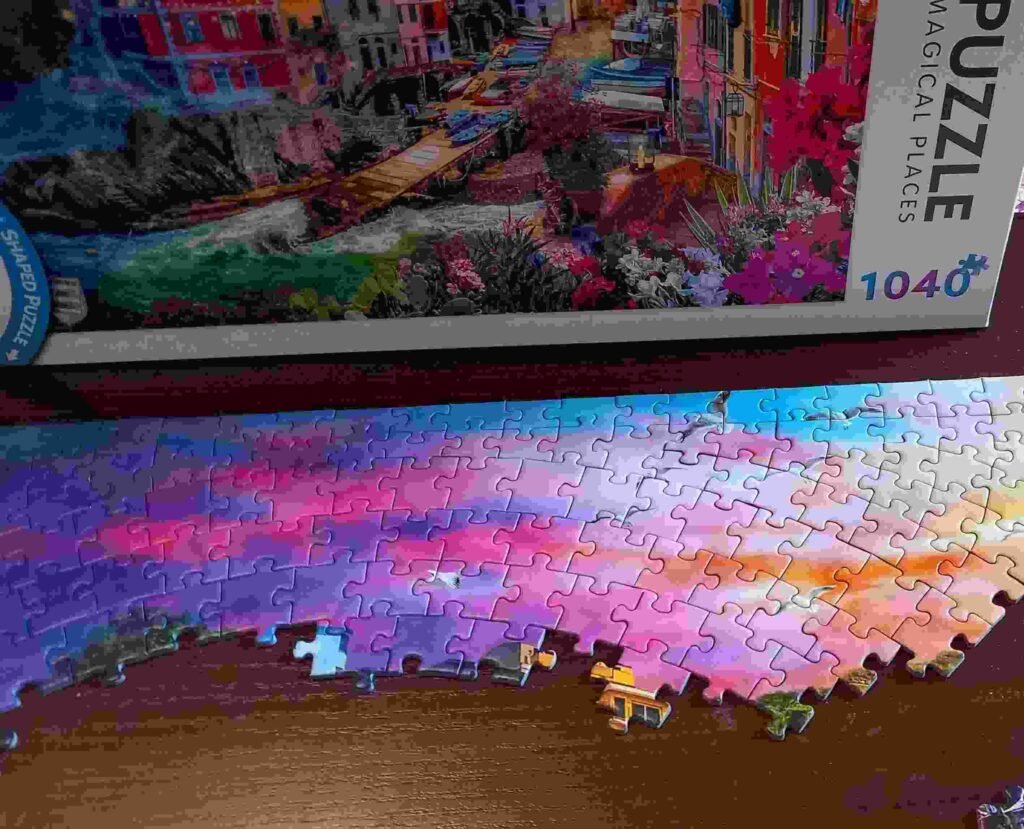
There is a psychological reason why layered puzzles feel so satisfying.
1. Sense of Achievement
Every solved layer gives a small dopamine boost, making you feel rewarded.
2. Challenge vs Reward Balance
They are hard enough to be interesting but not impossible, keeping motivation high.
3. Story-Like Experience
Many puzzles on puzzles are designed like narratives, where each solution moves the story forward.
Real-Life Applications of Puzzles on Puzzles
These puzzles are not just for entertainment. They are used in many real-world areas.
1. Education
Teachers use layered puzzles to:
- Teach math step-by-step
- Improve reading comprehension
- Develop critical thinking skills
2. Corporate Training
Companies use puzzle-based tasks in team-building exercises to improve collaboration and decision-making.
3. Military and Intelligence Training
Complex problem-solving exercises are used to train analytical thinking under pressure.
4. Game Design
Developers use layered puzzles to create immersive gameplay experiences that keep players engaged longer.
How to Solve Puzzles on Puzzles Effectively
Solving these puzzles requires strategy. Here are some helpful methods:
1. Break It Down Step by Step
Do not try to solve everything at once. Focus on one layer at a time.
2. Keep Track of Clues
Write down important hints so you don’t forget earlier information.
3. Look for Patterns
Many puzzles rely on repeating symbols, numbers, or logic structures.
4. Stay Patient
Some layers may feel confusing, but patience often leads to breakthroughs.
Common Mistakes People Make
Even experienced puzzle solvers make errors when dealing with layered challenges.
1. Skipping Steps
Trying to jump ahead usually leads to confusion.
2. Ignoring Small Details
Tiny clues often hold the key to solving the next layer.
3. Overthinking
Sometimes the simplest answer is the correct one.
The Future of Puzzles on Puzzles
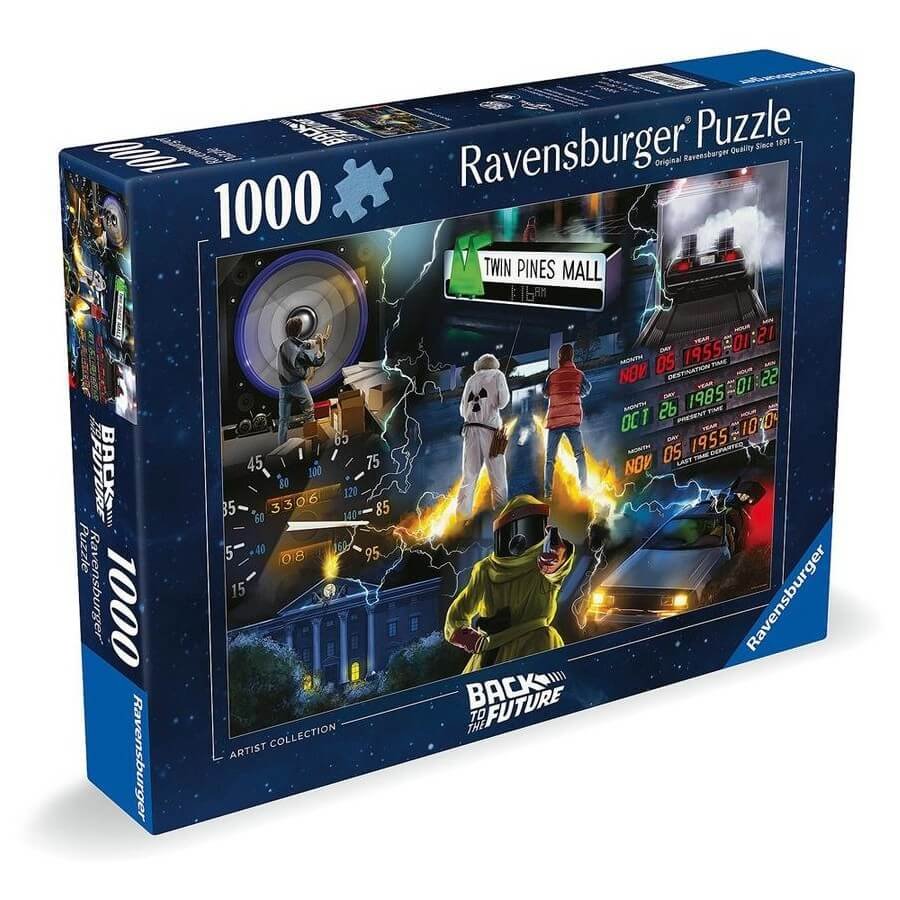
As technology evolves, so does puzzle design.
We are now seeing:
- Virtual reality puzzle worlds
- AI-generated layered challenges
- Interactive mobile puzzle experiences
- Augmented reality escape games
These innovations are making puzzles more immersive than ever before.
In the future, puzzles on puzzles may become fully interactive environments where every action creates new challenges in real time.
Why You Should Try Puzzles on Puzzles Today
If you enjoy mental challenges, layered puzzles are worth exploring. They are not just games—they are exercises for the brain that combine fun, logic, and creativity.
Benefits at a Glance:
- Improves mental sharpness
- Enhances memory and focus
- Provides entertainment and relaxation
- Builds problem-solving confidence
- Encourages creative thinking
Even spending just 20–30 minutes a day on puzzles can make a noticeable difference in mental agility over time.
Conclusion
Puzzles on puzzles represent one of the most exciting forms of brain challenges available today. They go beyond simple problem-solving and create a layered experience that keeps the mind fully engaged.
From escape rooms and digital games to educational tools and advanced logic chains, these puzzles are everywhere. They not only entertain but also strengthen the brain in meaningful ways.
Whether you are a casual puzzle lover or someone who enjoys deep mental challenges, exploring layered puzzles can be both fun and rewarding. The more you engage with them, the sharper and more creative your thinking becomes.