If you live in an apartment in Balmain or elsewhere in Sydney’s Inner West, you may have heard neighbours complain about cockroaches or experienced the problem in your own unit.
In multi-unit buildings, cockroach activity may extend beyond one apartment. Shared walls, plumbing penetrations, service cavities, rubbish areas and other connected spaces can allow cockroaches to move between different parts of the building.
This means treating one apartment may provide only temporary relief when the wider source of the infestation has not been identified. For strata committees, understanding how cockroaches move through apartment buildings is the first step towards implementing a more effective management plan.
Why Apartment Buildings Provide Suitable Cockroach Conditions
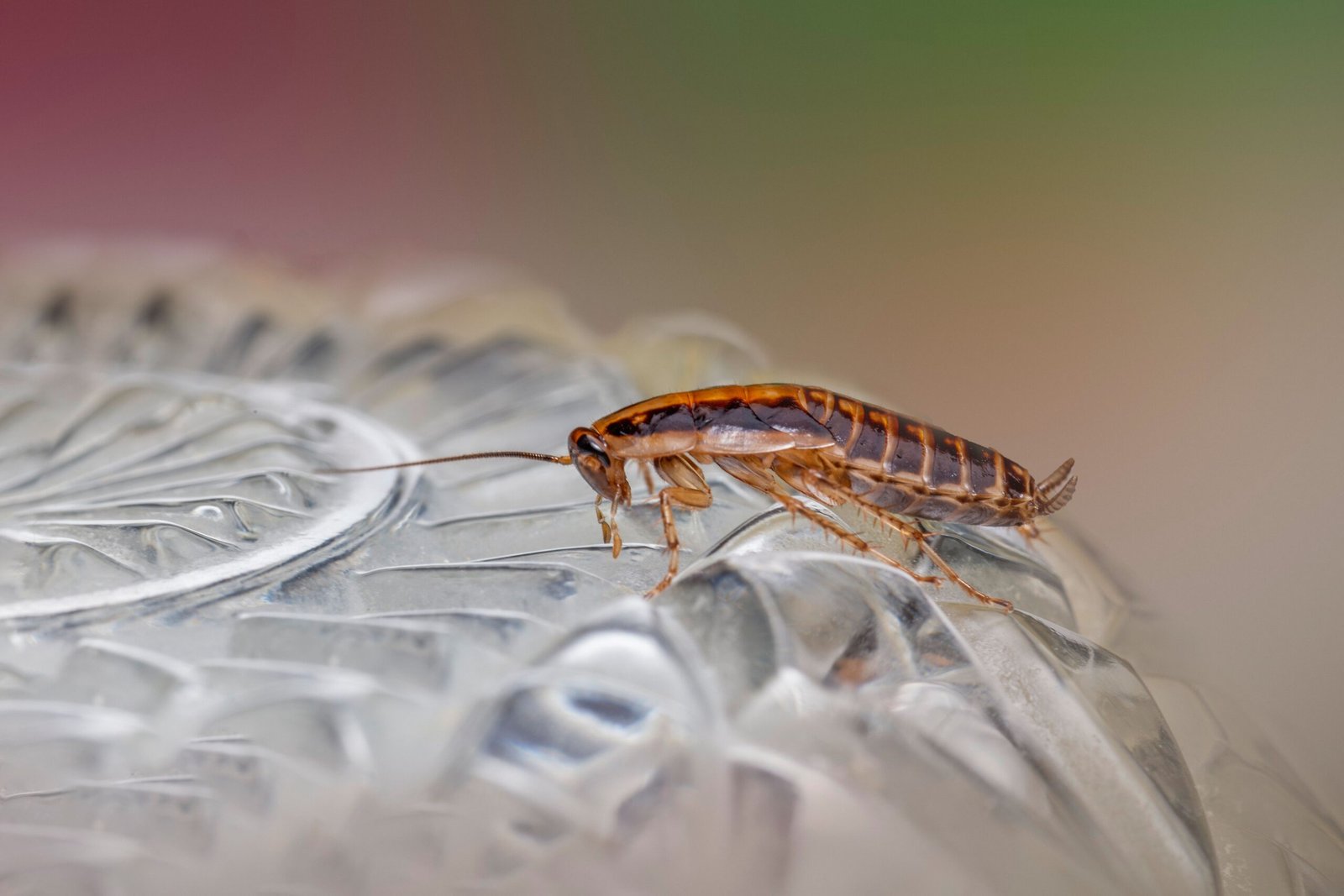
German cockroaches are among the most troublesome cockroach pests found in Sydney homes. They generally prefer warm indoor environments and are commonly found in kitchens, cupboards, drawers and electrical appliances.
Apartment buildings can provide food, moisture, warmth and numerous concealed hiding places. Their connected construction can also make it easier for cockroaches to move from one unit to another.
Shared Walls and Service Cavities
The space between adjoining apartments may contain plumbing, electrical conduits, ventilation components and cable runs.
Gaps around these services can provide routes between kitchens, bathrooms, laundries and common areas. Research into German cockroaches in apartment buildings has found that infestations are often spatially connected and that movement can occur between neighbouring units.
Cockroaches may also move when overcrowding, food shortages, disturbance or pesticide applications make their existing harbourage less suitable.
Plumbing Penetrations
Cockroaches can move through gaps around water pipes, drainage pipes and other services passing through walls, floors and cupboards.
The pipes themselves may not always be the route. In many cases, the unsealed space surrounding the pipe allows cockroaches to pass between adjoining rooms or apartments.
Older buildings, renovated properties and apartments with repeated plumbing alterations may have openings that have not been completely sealed.
Garbage Chutes and Bin Rooms
Communal rubbish areas provide cockroaches with access to food residue, moisture and hiding places.
Overflowing bins, leaking waste bags, food debris and dirty bin-room floors can support ongoing cockroach activity. From these areas, cockroaches may move into nearby service rooms, hallways, wall cavities and apartments.
Garbage chutes and bin rooms should therefore be included in inspections and routine pest-management programs rather than treated as separate maintenance issues.
Common Ducts, Risers and Ceiling Voids
Service risers, utility cupboards, suspended ceilings and duct penetrations can provide sheltered spaces where cockroaches remain difficult to detect.
Not every cockroach found in an apartment will have entered through a common area. However, connected structural spaces can contribute to recurring problems when several units are affected.
Why Individual Treatments Sometimes Fail
A common pattern begins when a resident notices cockroaches and uses supermarket sprays or arranges treatment only within their apartment. The visible activity may decline, but cockroaches eventually return.
This does not necessarily mean that the treatment itself was ineffective. It may mean that:
- Nearby harbourages were not identified.
- An adjoining apartment also has activity.
- Eggs or concealed cockroaches survived in untreated areas.
- Food, moisture or clutter continues to support the infestation.
- Gaps around pipes and services remain open.
- Cockroaches are entering from common property or waste areas.
Single-unit treatment can be effective when the infestation is genuinely isolated. However, when activity is present in several apartments or connected common areas, a coordinated approach is generally more effective.
Some repellent insecticide applications may also disturb cockroaches and encourage movement into untreated areas. Research on German cockroach activity in apartment buildings has identified pesticide-related dispersal as a potential contributor to movement between units.
German cockroaches also reproduce continuously when indoor conditions are suitable, with overlapping generations making established infestations difficult to control through occasional spraying alone.
What Strata Committees Can Do
Strata committees can help coordinate inspections, resident communication, common-property maintenance and professional treatment.
Under section 106 of the Strata Schemes Management Act 2015, the owners corporation must properly maintain and repair common property. However, this does not mean every cockroach problem is automatically a strata responsibility. Responsibility may depend on where the activity originates, whether common property is contributing to the problem, and what the scheme’s by-laws or common-property arrangements provide.
When infestations affect several units or appear to involve common property, the following steps can help.
1. Arrange a Building-Wide Inspection
Engage a licensed provider of pest control Balmain to inspect the affected apartments, adjoining units and relevant common areas.
The inspection may include:
- Kitchens and laundries
- Bin rooms and garbage chutes
- Service risers
- Utility cupboards
- Shared hallways
- Plant rooms
- Ceiling or subfloor spaces
- Gaps around plumbing and electrical services
The objective is to identify where activity is concentrated, how cockroaches may be moving and what environmental conditions are supporting the infestation.
People performing prescribed pesticide work in NSW must hold the appropriate licence, and pest controllers must use registered products according to their approved labels or permits.
2. Coordinate Treatment of Affected Areas
Treatment should be based on inspection findings rather than limited to the unit making the complaint.
The pest management technician may recommend treating affected apartments, adjoining units, common areas and identified harbourages within a coordinated period.
A building-wide integrated pest management program may include:
- Monitoring traps
- Targeted gel baits
- Insect growth regulators
- Limited and appropriate insecticide applications
- Cleaning recommendations
- Moisture reduction
- Exclusion and sealing work
- Follow-up inspections
Research in multi-unit housing has found that building-wide integrated pest management can reduce cockroach infestations and limit movement between apartments more effectively than fragmented treatment.
3. Seal Potential Movement Routes
Ask the pest technician, building manager or an appropriate tradesperson to identify openings around:
- Pipe penetrations
- Electrical conduits
- Skirting boards
- Cupboard voids
- Shared walls
- Service risers
- Door frames
- Floor and wall junctions
Sealing these openings will not eliminate an established infestation on its own, but it can reduce movement between units and improve the results of professional treatment.
4. Improve Bin-Room and Waste Management
Bin rooms and garbage chutes should be cleaned regularly and included in inspection and treatment plans.
Strata committees should check that:
- Bins have secure and functioning lids.
- Waste is collected frequently enough.
- Food residue and liquid spills are removed.
- Leaks and drainage problems are repaired.
- Garbage chutes are professionally cleaned when necessary.
- Loose waste is not allowed to accumulate around bins.
These measures reduce the food and moisture available to cockroaches.
5. Establish a Monitoring and Maintenance Program
Instead of waiting for repeated complaints, the committee can establish a scheduled monitoring program.
The appropriate servicing frequency will depend on:
- The severity of the infestation
- The number of affected apartments
- Building construction
- Waste-management conditions
- Previous treatment results
- Seasonal activity
- Monitoring-trap findings
Some buildings may require frequent initial visits followed by less frequent maintenance once activity is controlled. The schedule should be recommended by the pest management technician and adjusted according to monitoring results.
6. Notify and Communicate With Residents
Residents should receive clear information about:
- Inspection and treatment dates
- Areas being treated
- Preparation requirements
- Products or treatment methods being used
- Access arrangements
- Follow-up visits
- Steps residents can take to reduce cockroach activity
Residents may also be advised to store food in sealed containers, clean food residue, remove cardboard clutter, repair leaking taps and avoid leaving pet food out overnight.
In NSW, residents must generally be notified at least five working days before pesticides are applied in common areas of multiple-occupancy residential complexes. The notice should explain what is being applied, why it is being used, where it will be applied and when treatment will occur.
The Bottom Line
Cockroach infestations in apartment buildings can become a shared problem when connected construction, common waste areas and untreated harbourages allow activity to continue.
Treating one apartment may be enough for a small, isolated infestation. However, recurring complaints across several units usually require a broader inspection and a coordinated management plan.
Strata committees can improve treatment outcomes by arranging professional inspections, treating affected areas together, maintaining common property, improving waste management, sealing entry points and keeping residents informed.
By addressing the building conditions that allow cockroaches to survive and move, the committee can achieve more reliable long-term control than repeated, uncoordinated spraying.