Introduction
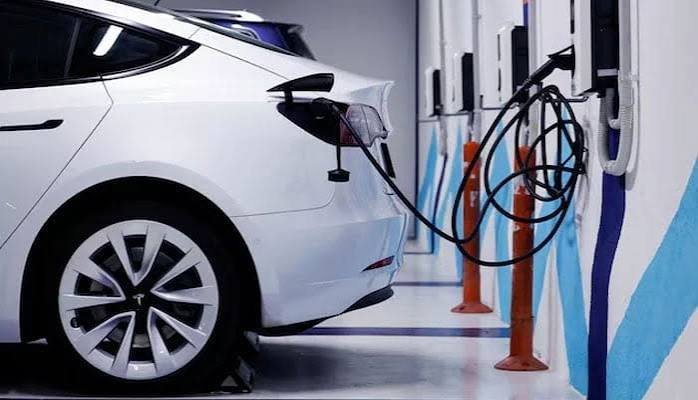
The electric vehicle (EV) movement has accelerated dramatically over the past decade, driven by increasing environmental awareness, evolving government policies, and advances in battery and charging technologies. For many potential EV drivers, the availability and speed of public charging stations weigh heavily on their decision to switch to electric. Fortunately, fast EV charging stations are becoming an essential part of the automotive landscape, making electric vehicle adoption more attractive than ever. Fast charging is rewriting the rules for electric mobility. Unlike conventional Level 2 chargers, which may take hours to recharge a depleted battery, modern DC fast chargers can restore a significant range in just minutes. As urban areas and highway corridors see a rapid spread of high-power charging points, the era of practical, long-distance EV travel is closer than ever.
Expansion of Fast Charging Networks
Public and private sectors alike are racing to build out the nationwide web of EV fast chargers. In the last year alone, the United States added more than 18,000 new DC fast-charging ports, a surge that brought the national total to over 70,000. This unprecedented growth fuels the confidence of EV owners who rely on public infrastructure for daily use and long-distance trips. These networks are not just popping up in major cities but are also extending into suburban communities and rural areas, improving overall accessibility. Much of this expansion can be linked to landmark government initiatives and incentives, as well as investments by major automakers and private enterprises. The push to ensure that no EV driver is left stranded is creating a robust, resilient ecosystem that addresses range anxiety head-on.
Technological Advancements in Charging Speed
Charge times once represented a significant obstacle to widespread EV adoption, but technology is evolving rapidly. The newest generation of ultra-fast DC chargers can deliver 250 kilowatts or more, capable of adding as much as 100 miles of range in under 10 minutes. Such advancements are made possible by innovations in power electronics, cooling systems, and battery management technologies.
Automakers and charging providers continue to develop even higher-capacity chargers to keep pace with next-generation electric vehicles, some of which support charging rates exceeding 350 kilowatts. These improvements enable faster turnarounds for drivers and help reduce congestion at popular charging stations.
Collaborations Driving Infrastructure Growth
Partnerships between automotive companies and charging networks are vital to accelerating infrastructure buildout. Automakers understand that the driving experience extends beyond the vehicle itself. For example, General Motors’ collaboration with ChargePoint aims to place up to 500 ultra-fast charging ports across high-traffic locations nationwide. By teaming up with experienced infrastructure providers, car manufacturers can ensure that their customers seamlessly access an interconnected charging network. Beyond automakers, retail giants, and real estate developers, fast-charging capabilities are being integrated into properties, expanding the ecosystem beyond traditional service stations. These collaborations help transform shopping centers, hotels, and office buildings into convenient destinations for drivers to recharge during daily routines.
Innovative Urban Charging Solutions
Integrating fast chargers into established city infrastructure poses unique challenges, including limited parking, historic districts, and crowded streets. Innovative solutions, such as converting existing streetlights, utility poles, or curbside spaces into EV charging points, are emerging to overcome these roadblocks. This approach minimizes installation costs and construction-related disturbances while maximizing accessibility in dense urban areas. Voltpost, for example, has pioneered technology that transforms streetlight poles into Level 2 chargers. This model can be especially powerful for drivers in apartment complexes or homes without dedicated off-street parking. Cities across the United States are embracing these creative concepts to keep pace with the accelerating demand for urban EV infrastructure. Similar pilot programs in cities like New York demonstrate the promise of low-profile chargers seamlessly woven into the cityscape.
Impact on EV Adoption
An expanded and robust fast-charging network is proving instrumental in supporting the growth of electric vehicle ownership. Increased availability of fast chargers is directly associated with reduced range anxiety, one of the most frequently cited concerns among those considering transitioning from gasoline-powered cars. The psychological and practical reassurance that a fast charger is always just a few minutes away makes EVs more appealing to a broader segment of the population. This positive effect is reflected in recent EV sales data: states with higher charger densities experience higher rates of vehicle adoption. Continued investment in fast charging helps create a virtuous cycle: as charging becomes more accessible and convenient, consumer confidence rises, further fueling demand for electric vehicles.
Challenges and Future Outlook
Despite remarkable progress, several significant challenges remain. Charging standards vary between regions and automakers, sometimes leading to incompatible hardware or software. The electric grid must also be upgraded to handle increased demand, especially during peak travel seasons or in growing metropolitan areas. Ensuring that new charging stations are equitably distributed will be crucial to extending access to all communities, including rural and historically underserved neighborhoods. Industry leaders remain optimistic about overcoming these hurdles. Standardizing protocols, investing in renewable energy for grid resilience, and continuously refining urban planning strategies are ongoing efforts. The future of EV charging infrastructure looks promising, with technology and investment converging to support the mass adoption of zero-emission vehicles.
Conclusion
The rapid expansion of fast-charging infrastructure is helping power the EV revolution. Advances in charging speed, expanding networks, dynamic partnerships, and creative urban solutions are transforming the driving experience for millions of Americans. As infrastructure and technology evolve together, the electric vehicle dream is becoming a viable reality for more families and businesses across the country. Continued investment in grid capacity, renewable energy integration, and smart charging systems is further strengthening the foundation for long-term adoption. Improved accessibility along highways, in cities, and in rural areas is also reducing range anxiety and increasing consumer confidence. At the same time, collaboration between automakers, energy providers, and governments is accelerating innovation and deployment. These combined efforts not only support transportation electrification but also contribute to reduced emissions, improved energy efficiency, and a more sustainable mobility ecosystem for the future.