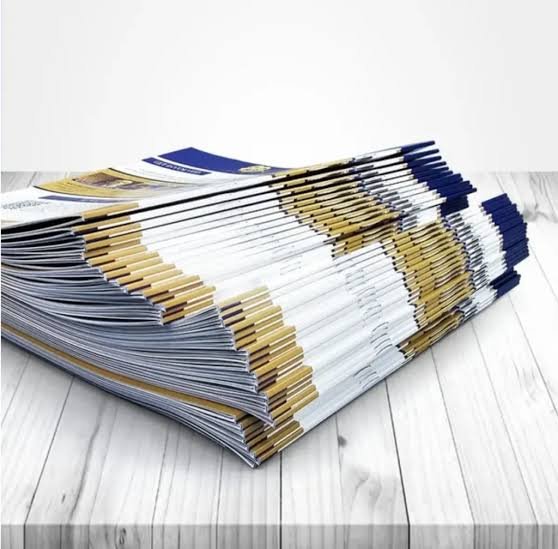
Saddle stitching is a widely used binding technique in which sheets of paper are folded and stapled along the spine. This method is especially popular for booklets, brochures, catalogs, and magazines due to its simplicity and affordability. By exploring creative approaches, designers and marketers can turn ordinary stapled documents into standout pieces that draw attention. For those seeking professional-quality results, partnering with a trusted provider of saddle stitch binding services helps bring ambitious print projects to life.
Designers and brands value saddle stitching for its fast production times and its ability to showcase vibrant imagery and impactful layouts. Whether working on a limited run of event programs or a series of promotional brochures, this binding solution delivers professional results on a budget.
The technique also supports a range of customization options, allowing experimentation with paper types, graphic treatments, and interactive design features. Companies and creatives are continually finding new ways to leverage these strengths for more engaging printed materials.
While it is accessible and straightforward, maximizing the benefits of saddle stitching involves understanding its optimal uses and common limitations. With smart design and production planning, you can ensure your finished booklets achieve the best possible quality.
Advantages of Saddle Stitching
Saddle stitching shines in scenarios where turnaround, budget, and visual aesthetics are all important factors. Here are a few reasons it remains a favorite in the print industry:
- Cost-Effectiveness:Among all binding options, saddle stitching is one of the most budget-friendly, making it ideal for companies, event organizers, and educators with limited resources.
- Quick Turnaround:The mechanical simplicity of saddle stitching enables faster production than glue binding or perfect binding.
- Lay-Flat Design:Saddle-stitched booklets open nearly flat, making them ideal for spreads with continuous images or text that spans two pages, which is particularly advantageous for lookbooks and visual portfolios.
Additionally, saddle stitching supports both short and medium print runs, allowing organizations to update content frequently or create targeted messaging for seasonal campaigns. Its streamlined production makes last-minute changes and reprints less cumbersome, and allows designers to respond swiftly to new opportunities or audience needs. The lightweight nature of saddle-stitched pieces also results in lower shipping costs and easier distribution, a key benefit for direct mail campaigns and event handouts.
Innovative Design Techniques
Beyond affordability and speed, saddle stitching is a blank slate for inventive design. Here are several creative strategies to elevate your next booklet:
Incorporate Unique Paper Stocks
Experimenting with textured, recycled, or colored paper introduces a new level of sophistication and tactility. A matte stock delivers an understated, elegant finish ideal for portfolios or annual reports, while a glossy or coated option enhances image vibrancy for lookbooks and catalogs.
Utilize Creative Layouts
Full-bleed photographs, bold typefaces, and unconventional grid systems can transform simple saddle-stitched pieces into memorable works of art. Designers should pay special attention to the gutter, ensuring text or important graphics do not become obscured in the fold. Many layouts take advantage of the lay-flat feature to seamlessly span design elements across pages.
Add Interactive Elements
Modern marketing and informational booklets frequently integrate QR codes, custom perforated sections, and even augmented reality markers to bridge the gap between print and digital content. These additions extend booklet functionality, offering users interactive experiences or additional resources accessible from their mobile devices.
Consider using die-cuts or custom-shaped covers to capture curiosity from the very first glance. These tactile and visual surprises not only grab attention but can also make your booklet more memorable and increase reader engagement. Including mini inserts, tip-ons, or pockets within the booklet’s design is another way to encourage interaction and provide space for coupons, business cards, or additional informational materials.
Understanding Limitations
Despite its versatility, saddle stitching has important limitations that designers must keep in mind for successful outcomes:
- Page Count:Saddle stitching works best for projects containing 8 to 64 pages. Exceeding this range typically leads to issues with booklet bulk, uneven spines, or pages that refuse to lay flat.
- Paper Thickness:Using very thick or specialty paper can create durability concerns. Too many thick sheets can cause improper folding or make the booklet hard to staple cleanly. Always consult your print provider to select an optimal paper weight suitable for your unique needs.
Another limitation is durability for long-term handling. While saddle-stitched booklets are sufficient for most general uses, projects that require repeated use or archival integrity may benefit from exploring sturdier binding options, such as perfect or case binding. However, for temporary guides, promotional pieces, and seasonal catalogs, saddle stitching remains a top choice for its practicality and visual appeal.
Best Practices for Saddle-Stitched Booklets
Proper planning and quality control can help sidestep the most common pitfalls in saddle-stitched projects:
Plan for Creep
As pages are folded and nested inside each other, the inner sheets extend slightly beyond the outer pages, a phenomenon called “creep.” Without margin adjustments, important content or images can be inadvertently cut off during trimming. Industry-standard booklet design involves incrementally shifting margins toward the center of the booklet to avoid these issues.
Use Multiples of Four
Each folded sheet in saddle-stitch binding creates four pages: two on the front and two on the back. To keep your booklet free of blank pages and layout confusion, ensure the page count is always a multiple of 4.
Test Your Design
Creating a printed mock-up, or “dummy,” before committing to a full run is an essential step. This allows you to verify alignment, color accuracy, readability, and overall aesthetic impact. Adjustments at this stage can prevent costly mistakes in your final order.
It’s also crucial to review bleeds, trim marks, and safe zones in your file setup to guarantee nothing important is cut or looks off-center after binding and trimming. Working closely with your print provider for pre-press checks and proof approvals will secure the best results and can reduce turnaround time by avoiding rework.
Conclusion
Saddle stitching offers a rare combination of simplicity, affordability, and creative latitude in print design. By understanding its strengths, design possibilities, and structural limitations, you can maximize the impact and functionality of your booklets, catalogs, and brochures. Whether for brand marketing, event materials, or creative portfolios, this tried-and-true binding method delivers a polished, professional product.