Introduction
Children learn best when they are having fun. That is one reason why jigsaw puzzles for kids remain one of the most loved educational activities around the world. These colorful puzzles entertain children while also helping them develop important mental, emotional, and physical skills.
From simple wooden puzzles for toddlers to large floor puzzles for older children, jigsaw puzzles come in many styles, themes, and difficulty levels. Parents, teachers, and child development experts often recommend puzzles because they support learning in a playful and stress-free way.
In today’s digital world, where children spend more time on screens than ever before, puzzles provide a healthy hands-on activity that improves concentration and creativity. Studies have shown that puzzle-solving can strengthen memory, improve problem-solving abilities, and support brain development in children.
Whether your child loves animals, cartoons, dinosaurs, space, or superheroes, there is a puzzle designed to match their interests.
In this complete guide, you will learn everything about jigsaw puzzles for kids, including their benefits, educational value, different types, age recommendations, buying tips, and how puzzles help children grow mentally and emotionally.
What Are Jigsaw Puzzles for Kids?
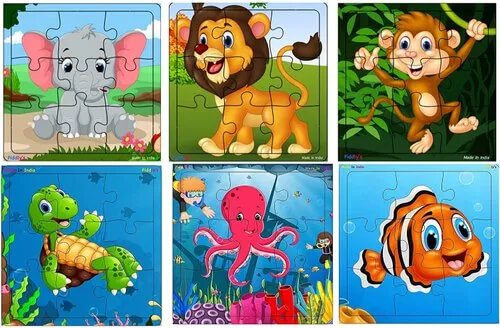
Jigsaw puzzles for kids are picture-based puzzles made up of small interlocking pieces that children connect to create a complete image.
These puzzles are specially designed for young learners and usually feature:
- Bright colors
- Simple shapes
- Fun themes
- Large easy-to-hold pieces
- Child-friendly materials
Kids’ puzzles are available in many difficulty levels depending on age and skill level.
Common puzzle themes include:
- Animals
- Alphabet puzzles
- Numbers
- Vehicles
- Princesses
- Dinosaurs
- Space
- Nature
- Cartoons
- Educational maps
The main goal is to make learning enjoyable while developing important cognitive skills.
Why Jigsaw Puzzles for Kids Are So Popular
Fun and Educational at the Same Time
Parents love puzzles because they combine entertainment with learning. Children enjoy solving puzzles while unknowingly improving their thinking skills.
Screen-Free Entertainment
Modern children spend hours on tablets and smartphones. Puzzles provide a healthy alternative that encourages real-world interaction.
Suitable for All Ages
There are puzzles available for:
- Toddlers
- Preschoolers
- Kindergarten children
- Elementary school students
- Older kids
Every child can enjoy puzzles at their own level.
Encourages Independent Play
Puzzles help children learn how to focus and solve problems independently.
Benefits of Jigsaw Puzzles for Kids
Improves Problem-Solving Skills
One of the biggest advantages of jigsaw puzzles for kids is better problem-solving ability.
Children learn how to:
- Analyze shapes
- Match colors
- Recognize patterns
- Test different possibilities
These skills become useful in school and daily life.
Develops Fine Motor Skills
Young children improve hand and finger control when handling puzzle pieces.
This helps with:
- Writing
- Drawing
- Holding objects
- Buttoning clothes
Large-piece puzzles are especially helpful for toddlers developing coordination.
Boosts Memory and Brain Development
Puzzle-solving activates both sides of the brain:
- The logical side
- The creative side
This combination improves memory, concentration, and overall cognitive development.
Research suggests that regular puzzle activities may help strengthen neural connections in growing brains.
Improves Concentration
Many children struggle with focus because of constant digital distractions.
Puzzles train kids to:
- Stay patient
- Pay attention to details
- Finish tasks step by step
Even short puzzle sessions can improve attention span over time.
Encourages Patience and Persistence
Not every piece fits immediately. Children learn that success sometimes requires patience and repeated effort.
This teaches:
- Persistence
- Emotional control
- Determination
These life skills are valuable both inside and outside the classroom.
Supports Emotional Development
Completing a puzzle gives children a strong feeling of accomplishment.
This improves:
- Confidence
- Self-esteem
- Motivation
Children often feel proud when they complete a puzzle on their own.
Educational Value of Jigsaw Puzzles for Kids
Learning Through Play
Educational experts often recommend learning through play because it keeps children engaged naturally.
Puzzles teach:
- Shape recognition
- Color matching
- Spatial awareness
- Logical thinking
Without feeling like schoolwork.
Helps Early Math Skills
Puzzles support early mathematical thinking because children learn:
- Patterns
- Sorting
- Sequences
- Visual relationships
These skills form the foundation for future math learning.
Improves Language Skills
Parents and teachers often talk with children during puzzle activities.
This builds vocabulary through discussions about:
- Colors
- Animals
- Shapes
- Numbers
- Characters
Children also learn how to describe what they see.
Encourages Creativity and Imagination
Picture puzzles inspire storytelling and imaginative thinking.
For example:
- Animal puzzles may inspire nature stories
- Space puzzles encourage curiosity about planets
- Dinosaur puzzles increase interest in science
Different Types of Jigsaw Puzzles for Kids
Wooden Puzzles
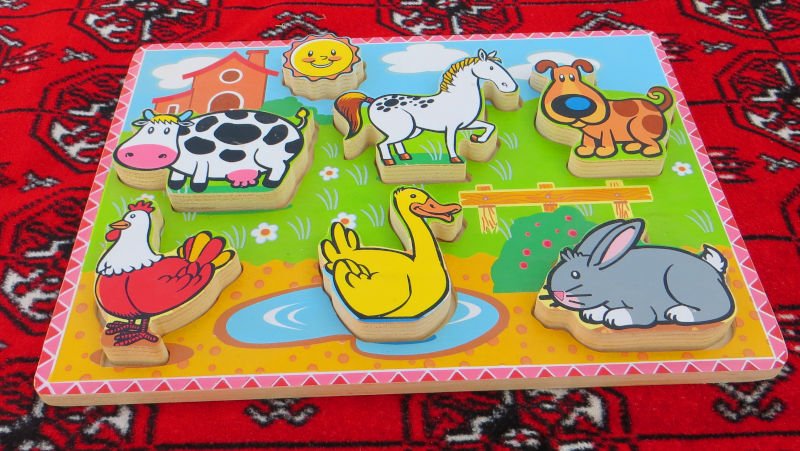
Wooden puzzles are ideal for toddlers and preschoolers.
Benefits include:
- Durable pieces
- Safe handling
- Large shapes
- Easy grip
They often include pegs for younger children.
Floor Puzzles
Floor puzzles are large puzzles children assemble on the ground.
These puzzles:
- Encourage movement
- Improve teamwork
- Create excitement
Popular themes include giant maps, animals, and castles.
Educational Puzzles
Educational puzzles focus on learning topics such as:
- Alphabet
- Numbers
- Geography
- Shapes
- Solar system
Teachers frequently use these puzzles in classrooms.
3D Puzzles
3D puzzles allow children to build structures instead of flat images.
Examples:
- Buildings
- Vehicles
- Animals
- Famous landmarks
These puzzles improve engineering and spatial thinking skills.
Character and Cartoon Puzzles
Kids love puzzles featuring favorite characters from movies and TV shows.
Popular themes include:
- Superheroes
- Princesses
- Animated movies
- Cartoon animals
These puzzles keep children more interested and motivated.
Choosing the Right Jigsaw Puzzle for Kids
Consider Age and Skill Level
Choosing the correct difficulty level is very important.
Toddlers (Ages 1–3)
Best puzzles:
- 2–10 pieces
- Large wooden pieces
- Simple images
Preschoolers (Ages 3–5)
Best puzzles:
- 12–48 pieces
- Bright colors
- Familiar themes
Ages 6–8
Best puzzles:
- 50–150 pieces
- Educational themes
- More detailed images
Ages 9+
Best puzzles:
- 200+ pieces
- Advanced artwork
- Challenging designs
Pick Themes Your Child Loves
Children stay more engaged when the puzzle matches their interests.
Examples:
- Dinosaur lovers enjoy prehistoric puzzles
- Animal lovers enjoy zoo puzzles
- Space fans enjoy planet puzzles
Check Puzzle Quality
Good-quality puzzles should have:
- Thick pieces
- Non-toxic materials
- Clear printing
- Durable construction
Cheap puzzles may break easily or frustrate children.
How Jigsaw Puzzles Help Child Development
Cognitive Development
Puzzles improve:
- Critical thinking
- Memory
- Logic
- Decision-making
These skills support academic success later in life.
Physical Development
Handling puzzle pieces improves:
- Finger strength
- Hand-eye coordination
- Motor control
These skills are important for everyday activities.
Social Development
When children solve puzzles together, they learn:
- Sharing
- Communication
- Cooperation
- Teamwork
Group puzzle activities are excellent for classrooms and family bonding.
Best Puzzle Themes for Kids
Animal Puzzles
Animal puzzles are educational and entertaining.
Children learn about:
- Wild animals
- Farm animals
- Sea creatures
- Birds
Dinosaur Puzzles
Dinosaur puzzles remain one of the most popular choices for young children.
These puzzles encourage interest in:
- Science
- History
- Fossils
- Nature
Space Puzzles
Space-themed puzzles help children explore:
- Planets
- Rockets
- Astronauts
- Galaxies
They inspire curiosity and imagination.
Alphabet and Number Puzzles
These educational puzzles support early literacy and math development.
They are especially useful for preschool learning.
Tips for Solving Jigsaw Puzzles with Kids
Start with the Edges
Teach children to find corner and edge pieces first.
This creates structure and makes solving easier.
Sort Pieces by Color
Grouping similar colors helps children stay organized.
Offer Encouragement
Praise effort instead of perfection.
Positive encouragement keeps children motivated.
Avoid Taking Over
Allow children to solve problems independently whenever possible.
Guidance is helpful, but independence builds confidence.
Create a Calm Environment
A quiet and organized space improves focus and enjoyment.
Jigsaw Puzzles for Kids in Education
Many schools use puzzles in classrooms because they support active learning.
Classroom Benefits
Puzzles help teachers:
- Improve student engagement
- Encourage teamwork
- Support visual learning
- Build problem-solving skills
Special Education Support
Puzzles can also support children with learning differences by improving:
- Focus
- Motor skills
- Pattern recognition
- Sensory development
Teachers often use puzzles in therapy and developmental programs.
Are Digital Puzzles Good for Kids?
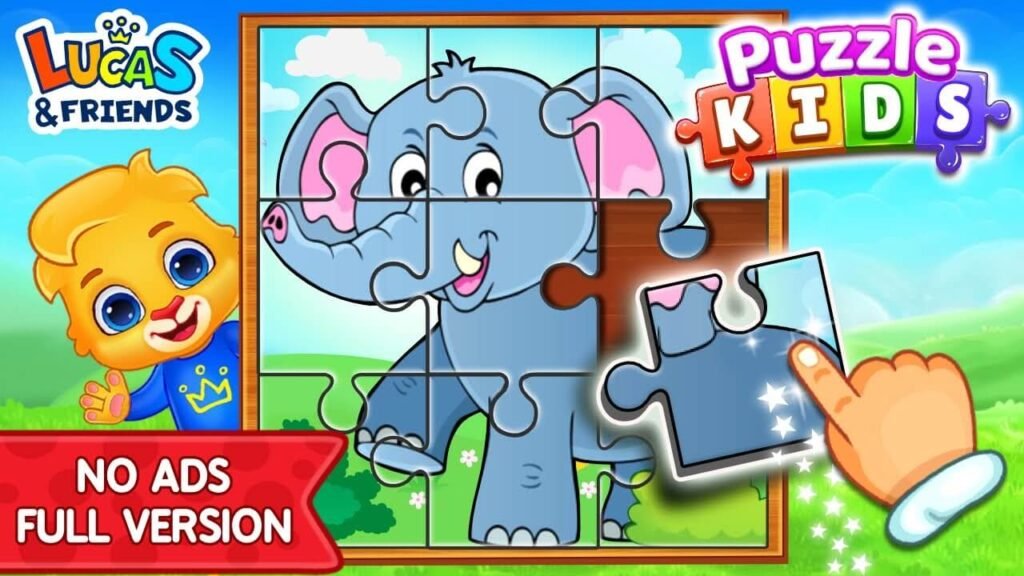
Digital puzzle apps have become more common in recent years.
Advantages
Digital puzzles:
- Are portable
- Offer unlimited designs
- Include interactive sounds and effects
Disadvantages
However, physical jigsaw puzzles for kids usually provide better developmental benefits because they:
- Improve physical coordination
- Reduce screen exposure
- Encourage family interaction
Experts generally recommend balancing digital and physical activities.
Best Times for Kids to Play with Puzzles
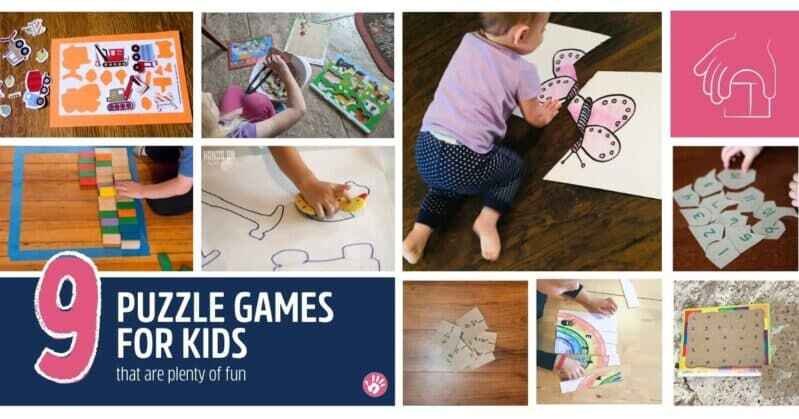
Puzzles fit easily into daily routines.
Great times include:
- After school
- Rainy days
- Family game nights
- Classroom activities
- Weekend relaxation
Many parents use puzzles as calming bedtime activities.
Common Mistakes Parents Make with Kids’ Puzzles
Choosing Puzzles That Are Too Difficult
Overly difficult puzzles may frustrate children and reduce confidence.
Always match the puzzle to the child’s age and skill level.
Focusing Only on Completion
The learning process matters more than finishing quickly.
Allow children to enjoy the journey.
Not Rotating Puzzle Themes
Children may lose interest if they always use the same puzzle style.
Introducing new themes keeps puzzle time exciting.
Puzzle Safety Tips for Young Children
Safety is important when choosing jigsaw puzzles for kids.
Important Tips
- Avoid small pieces for toddlers
- Choose non-toxic materials
- Supervise very young children
- Store puzzles properly after use
Always follow the manufacturer’s age recommendations.
Eco-Friendly Jigsaw Puzzles for Kids
Many parents now prefer environmentally friendly toys.
Eco-friendly puzzles often use:
- Recycled cardboard
- Sustainable wood
- Soy-based inks
- Plastic-free packaging
These puzzles are safer for children and better for the environment.
Why Families Love Jigsaw Puzzles
Families often use puzzles as bonding activities.
Benefits include:
- Shared learning
- Better communication
- Relaxation
- Quality time together
Unlike many toys, puzzles encourage cooperation instead of competition.
Future Trends in Kids’ Puzzles
The puzzle industry continues to evolve with:
- Glow-in-the-dark puzzles
- Interactive educational puzzles
- Augmented reality features
- Personalized name puzzles
- Eco-friendly designs
As parents continue searching for educational screen-free activities, puzzle popularity is expected to keep growing.
Final Thoughts
Jigsaw puzzles are much more than simple toys. They are powerful learning tools that help children develop mentally, emotionally, physically, and socially. From improving concentration and memory to encouraging creativity and patience, the benefits of jigsaw puzzles for kids are truly impressive.
Whether your child is solving a simple wooden puzzle or a large floor puzzle filled with colorful artwork, every puzzle piece contributes to important developmental growth.
In a world filled with digital distractions, puzzles offer a refreshing hands-on activity that supports healthy learning and family interaction. They are affordable, educational, entertaining, and suitable for nearly every age group.