Introduction
The puzzle world is filled with creativity, entertainment, learning, and mental challenges. From classic jigsaw puzzles and crossword games to modern 3D puzzles and digital brain teasers, puzzles have become a favorite activity for people of all ages. They are more than just games — they help improve concentration, strengthen memory, reduce stress, and bring people together.
Today, the puzzle world continues to grow rapidly because people are searching for relaxing and meaningful hobbies. Whether someone enjoys solving difficult logic puzzles, building giant jigsaw scenes, or playing online puzzle games, there is something for everyone.
Puzzles are popular in homes, schools, offices, and even healthcare settings. They encourage problem-solving, patience, and creativity while providing hours of fun and satisfaction. This guide explores everything about the puzzle world, including its history, different puzzle types, benefits, trends, and why millions of people love puzzles today.
What Is Puzzle World?
Puzzle world refers to the huge variety of puzzles, games, and brain challenges enjoyed around the globe. It includes physical puzzles, digital puzzle games, educational puzzles, and logic-based activities designed to test thinking skills.
The puzzle world includes:
- Jigsaw puzzles
- Crossword puzzles
- Sudoku
- Word searches
- Escape room puzzles
- Logic games
- 3D puzzles
- Mechanical puzzles
- Mobile puzzle apps
- Online brain games
People enjoy puzzles for many reasons. Some use them for relaxation, while others enjoy the challenge of solving difficult problems.
The History of Puzzle World
The history of puzzles goes back hundreds of years. Early puzzles were created mainly for education and entertainment.
The Beginning of Jigsaw Puzzles
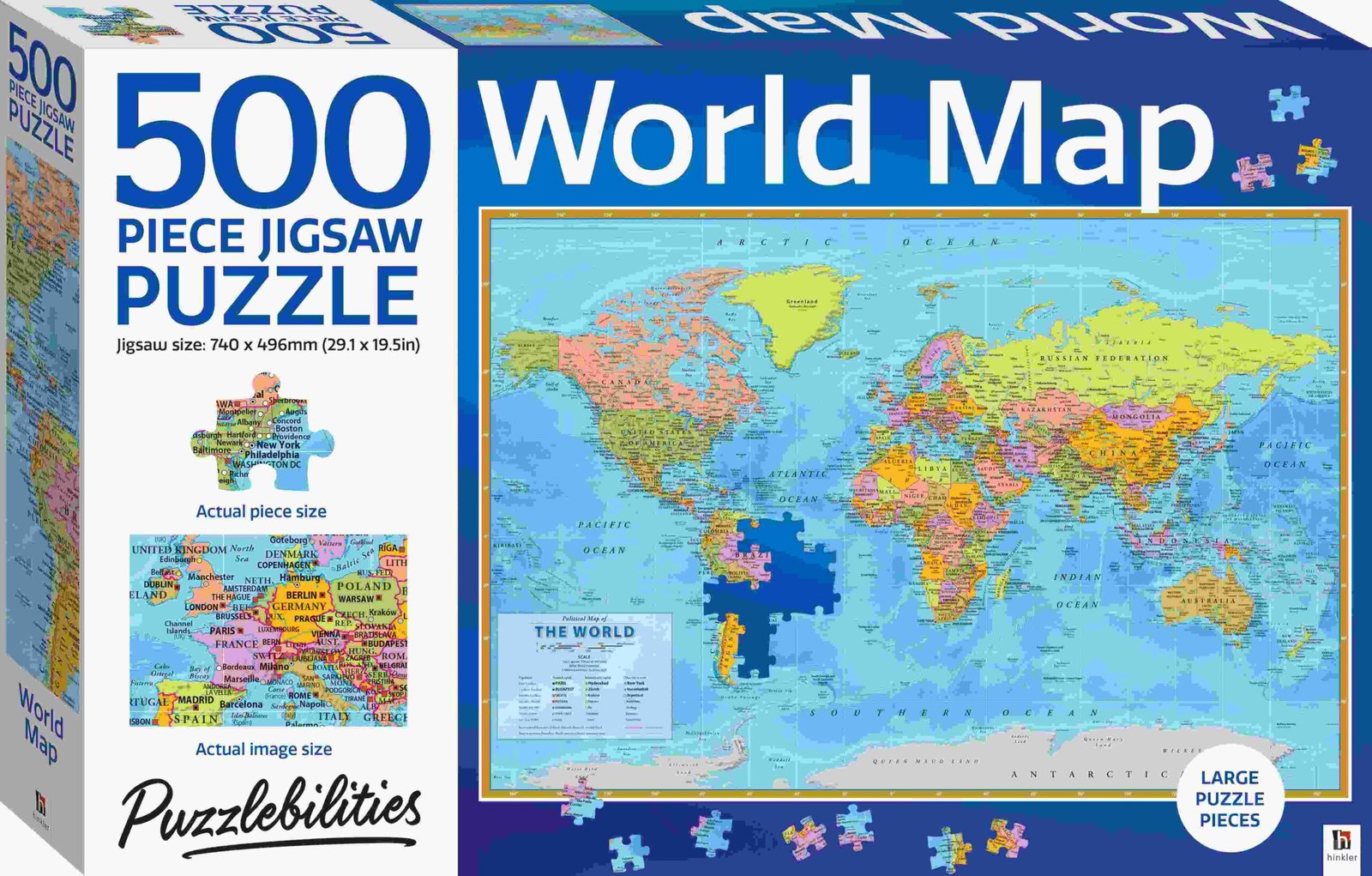
Jigsaw puzzles first appeared in the 1760s. A mapmaker mounted maps onto wood and cut them into pieces to help children learn geography.
Over time, puzzles became more detailed and entertaining. By the 20th century, jigsaw puzzles became a popular family activity worldwide.
Rise of Crossword Puzzles
Crossword puzzles became famous in the early 1900s after newspapers began publishing them regularly.
People quickly loved them because they combined:
- Vocabulary
- General knowledge
- Problem-solving
Crosswords remain one of the most popular puzzle types today.
The Digital Puzzle Revolution
Technology changed the puzzle world dramatically.
Today, puzzle lovers can enjoy:
- Smartphone puzzle apps
- Online multiplayer puzzles
- Virtual escape rooms
- Interactive brain games
Digital puzzles have introduced puzzle-solving to a whole new generation.
Why Puzzle World Is So Popular
The puzzle world has become extremely popular because puzzles provide both entertainment and mental exercise.
Main Reasons People Love Puzzles
1. Mental Stimulation
Puzzles challenge the brain and improve thinking skills.
2. Stress Relief
Many people use puzzles to relax after busy days.
3. Fun for All Ages
Children, adults, and seniors can all enjoy puzzles.
4. Social Interaction
Many puzzles encourage teamwork and family bonding.
5. Sense of Achievement
Completing a difficult puzzle feels rewarding.
Benefits of Puzzle World

The puzzle world offers many mental, emotional, and social benefits.
Improves Brain Health
One major benefit of puzzles is better cognitive function.
Puzzles help improve:
- Memory
- Focus
- Logical thinking
- Attention span
- Problem-solving skills
Research suggests regular brain activities may help maintain mental sharpness as people age.
Reduces Stress and Anxiety
Puzzles create a calming effect because they require focused attention.
While solving puzzles:
- The mind becomes relaxed
- Stress levels decrease
- Anxiety may reduce
- Concentration improves
Many adults incorporate puzzles into their self-care routines.
Encourages Patience and Persistence
Not all puzzles are easy. Some require hours or even days to complete.
Puzzles teach people to:
- Stay patient
- Keep trying
- Think creatively
- Handle challenges calmly
These skills can also help in daily life.
Supports Social Connection
Puzzle-solving is often a shared activity.
Families and friends enjoy:
- Solving jigsaw puzzles together
- Playing escape room games
- Competing in trivia challenges
These activities create memorable experiences and stronger relationships.
Different Types of Puzzles in Puzzle World
The puzzle world includes many exciting categories.
Jigsaw Puzzles
Jigsaw puzzles are one of the most loved puzzle types.
Players connect pieces to form a complete image.
Popular Jigsaw Themes
- Nature landscapes
- Animals
- Cities
- Fantasy art
- Famous paintings
Jigsaw puzzles range from simple 100-piece puzzles to massive 5000-piece challenges.
Crossword Puzzles
Crosswords test vocabulary and general knowledge.
People solve clues to fill words into a grid.
Benefits of Crosswords
- Improves language skills
- Expands vocabulary
- Strengthens memory
- Encourages learning
Many newspapers and apps publish daily crossword puzzles.
Sudoku
Sudoku is a number puzzle based on logic.
The goal is to fill a grid with numbers without repeating them.
Why Sudoku Is Popular
- Easy to learn
- Great for concentration
- Improves logical thinking
- Available in many difficulty levels
Sudoku is enjoyed worldwide by millions of people.
Word Search Puzzles
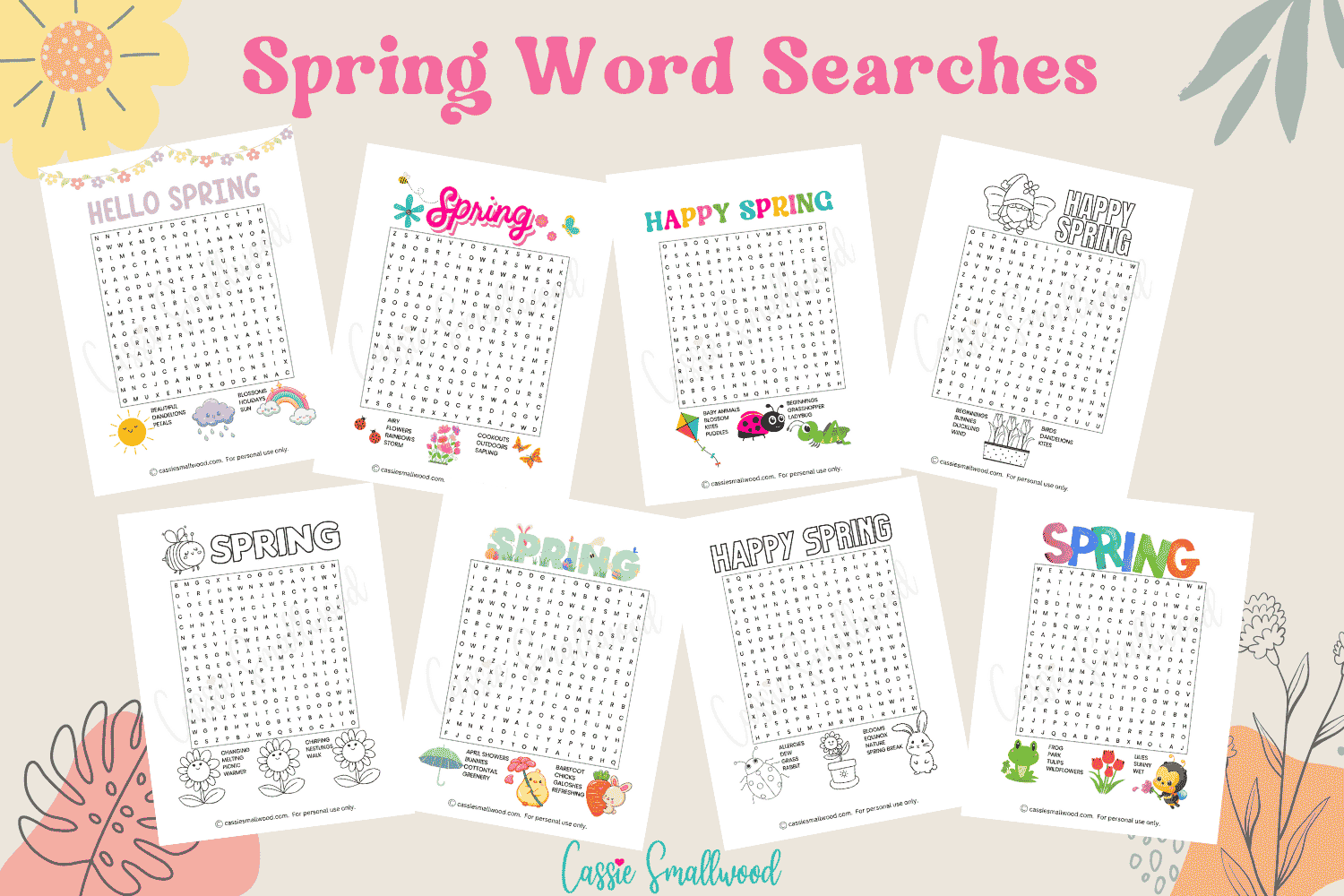
Word searches involve finding hidden words in letter grids.
These puzzles are relaxing and enjoyable for all age groups.
They also help improve:
- Spelling
- Pattern recognition
- Vocabulary
Logic Puzzles
Logic puzzles require careful thinking and deduction.
Examples include:
- Detective puzzles
- Grid puzzles
- Sequence games
- Math challenges
These puzzles are especially popular among people who enjoy problem-solving.
Escape Room Puzzles
Escape room games combine storytelling with puzzle-solving.
Players solve clues to complete missions or escape from rooms.
Why Escape Rooms Are Popular
- Exciting group activity
- Encourages teamwork
- Improves communication
- Creates immersive experiences
Both physical and virtual escape rooms are growing rapidly.
3D Puzzles
3D puzzles allow players to build structures and models.
Popular 3D puzzle designs include:
- Famous landmarks
- Vehicles
- Ships
- Architecture
- Mechanical models
These puzzles combine creativity with hands-on construction.
Digital Puzzle Games
The digital side of puzzle world has expanded enormously.
Popular digital puzzle categories include:
- Match-three games
- Mobile brain games
- Online riddles
- Puzzle adventure games
Many digital puzzle games attract millions of daily players.
Puzzle World for Adults
Adults are one of the biggest puzzle audiences today.
Many adults solve puzzles because they:
- Reduce stress
- Improve focus
- Provide screen-free entertainment
- Support brain health
Popular adult puzzle trends include:
- Large jigsaw puzzles
- Mystery puzzles
- Wooden puzzles
- Escape room kits
Puzzle hobbies have become increasingly common among adults seeking relaxation.
Puzzle World for Kids
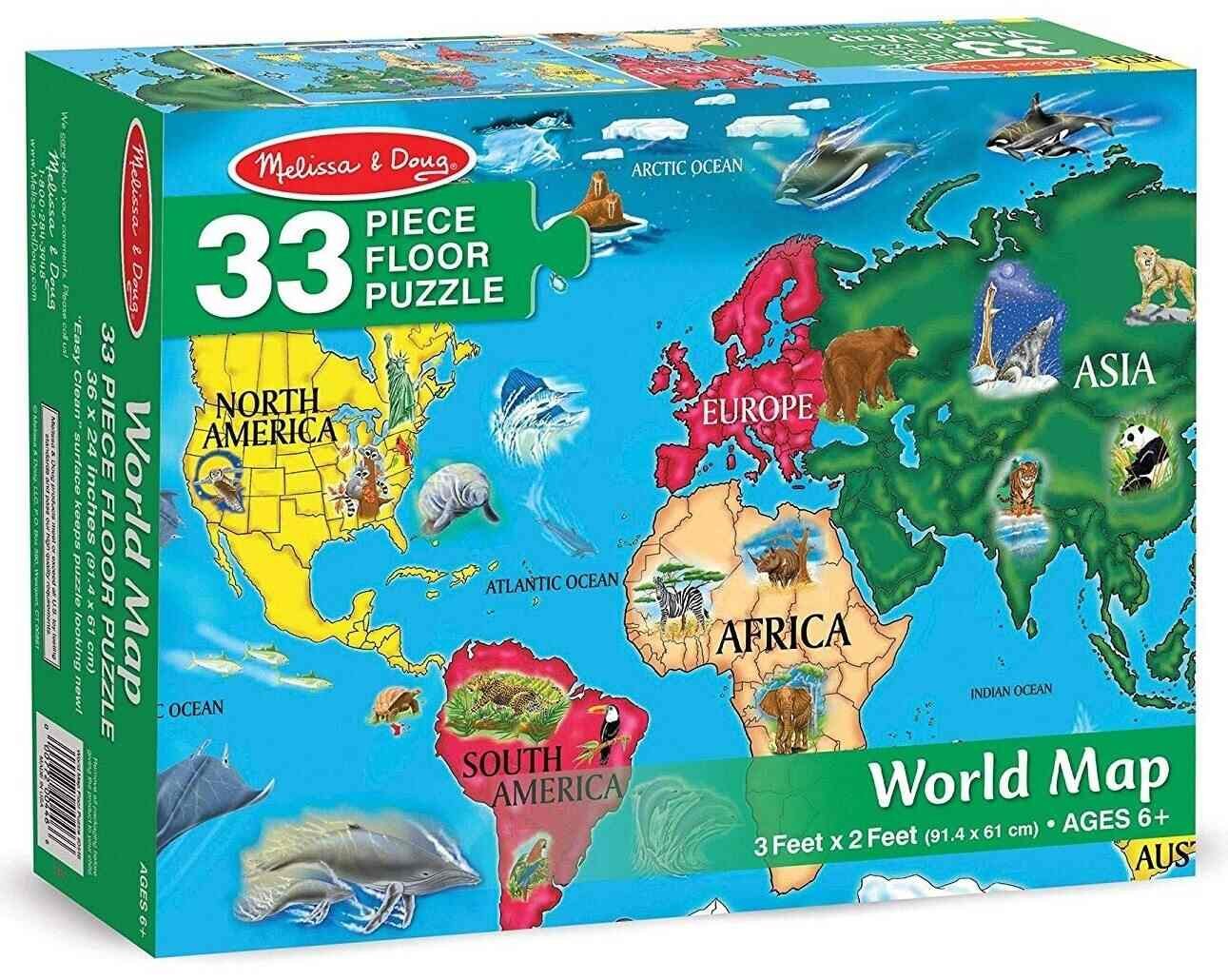
Children also benefit greatly from puzzles.
Educational puzzles help kids develop:
- Motor skills
- Problem-solving abilities
- Shape recognition
- Patience
- Creativity
Many schools use puzzles as learning tools because they make education more engaging.
Puzzle World and Education
Puzzles play an important role in education.
Teachers often use puzzles to make lessons interactive and enjoyable.
Educational Benefits
Improves Critical Thinking
Students learn to analyze and solve problems.
Encourages Independent Learning
Puzzles motivate students to think independently.
Makes Learning Fun
Children stay more engaged during puzzle activities.
Puzzle World and Mental Health
Mental wellness is a major reason people enjoy puzzles.
Studies show puzzles may help:
- Lower stress
- Improve mood
- Increase mindfulness
- Support cognitive engagement
Completing puzzles also creates a sense of achievement that boosts confidence and motivation.
Puzzle World Trends
The puzzle world continues evolving with new trends and innovations.
Custom Puzzles
People can now create puzzles using personal photos.
Custom puzzles are popular for:
- Gifts
- Weddings
- Family memories
Eco-Friendly Puzzles
Many companies now produce puzzles using recycled materials and sustainable packaging.
Environmentally conscious consumers appreciate eco-friendly puzzle options.
Impossible Puzzles
Some puzzle fans enjoy extreme challenges.
Impossible puzzles may feature:
- Repeating patterns
- Minimal color variation
- Complex designs
These puzzles test patience and concentration.
Mystery and Crime Puzzles
Mystery puzzle games combine storytelling with investigation.
Players solve clues to uncover hidden stories or crimes.
These puzzles are especially popular among adults.
How Technology Changed Puzzle World
Technology has transformed how people experience puzzles.
Major Innovations Include:
- Mobile puzzle apps
- Online multiplayer puzzles
- AI-powered puzzle games
- Augmented reality puzzles
- Virtual escape rooms
Technology has made puzzles more accessible and interactive than ever before.
Best Ways to Enjoy Puzzle World
Getting the most from puzzles involves choosing the right environment and habits.
Create a Comfortable Puzzle Space
Good puzzle spaces should include:
- Proper lighting
- Comfortable seating
- Enough table space
- Organized puzzle pieces
A calm environment improves concentration and enjoyment.
Start with the Right Difficulty
Beginners should avoid extremely difficult puzzles.
Starting with manageable challenges helps build confidence and enjoyment.
Take Breaks
Long puzzle sessions can cause fatigue.
Short breaks help maintain focus and reduce frustration.
Organize Puzzle Pieces
Sorting pieces by:
- Color
- Shape
- Pattern
can make solving easier and more enjoyable.
Puzzle World as a Social Activity
Puzzles are excellent for social interaction.
Families often solve puzzles together during:
- Holidays
- Weekends
- Gatherings
- Game nights
Puzzle competitions and escape rooms also encourage teamwork and communication.
Puzzle Collecting in Puzzle World

Some people collect rare or artistic puzzles.
Popular collectible puzzles include:
- Vintage puzzles
- Wooden puzzles
- Limited edition designs
- Handmade puzzles
Collectors appreciate both the craftsmanship and entertainment value.
Careers and Businesses in Puzzle World
The puzzle industry supports many careers.
Professionals in the puzzle world include:
- Puzzle designers
- Game developers
- Illustrators
- Educators
- Toy manufacturers
The global puzzle market continues to grow as demand increases worldwide.
Common Challenges in Puzzle Solving
Although puzzles are enjoyable, they can sometimes feel frustrating.
Common Problems
Missing Pieces
Physical puzzles sometimes lose pieces.
Overly Difficult Designs
Very complex puzzles may become stressful instead of relaxing.
Poor Lighting
Bad lighting can strain the eyes.
Lack of Patience
Some puzzles require significant time and focus.
Understanding these challenges helps improve the puzzle-solving experience.
Why Puzzle World Will Continue Growing
The future of Puzzle World looks very bright.
Several factors support continued growth:
- Increased interest in mental wellness
- Rising demand for screen-free hobbies
- Growth of digital gaming
- Educational puzzle use
- Family-focused entertainment
Puzzles continue adapting to modern lifestyles while maintaining their timeless appeal.
Final Thoughts
The puzzle world is much more than entertainment. It is a fascinating combination of creativity, learning, mental exercise, and relaxation. Whether someone enjoys jigsaw puzzles, crossword puzzles, sudoku, escape rooms, or digital brain games, puzzles offer something meaningful for everyone.
The growing popularity of puzzles shows that people value activities that challenge the mind while providing enjoyment and stress relief. Puzzles improve concentration, support memory, encourage patience, and create opportunities for social connection.
One of the best things about Puzzle World is its variety. There are puzzles for every age, interest, and skill level. Some people enjoy relaxing with simple word searches, while others prefer solving difficult logic games or building advanced 3D models.
As technology continues evolving, the puzzle world will likely become even more creative and interactive. However, the core appeal of puzzles will always remain the same — the satisfaction of solving a challenge and discovering the joy of learning through play.
For anyone searching for a rewarding hobby that combines fun with mental stimulation, the puzzle world offers endless possibilities.